LITMUS + Message Brokers INTEGRATION

Stream Industrial Data From the Edge to Message Brokers

Publish trusted data through Kafka, AMQP, and MQTT for real-time applications, analytics, and enterprise integration.

Message Brokers Hero

Trusted by manufacturers scaling industrial data and AI


  • Philips Logo
  • JLR Logo New
  • SLB Logo New
  • Pfeifer and Langen Logo New
  • Parker Logo New
  • NatureFresh Logo New
  • Microsoft Logo Cloud New
  • Google Logo Cloud New
  • AWS Logo Cloud New
  • Databricks Logo Cloud
  • Oracle Logo Cloud New
  • Dell Logo Cloud New

How Litmus integrates with Kafka, AMQP & MQTT

Litmus prepares industrial data at the edge before publishing it into message brokers including Kafka, AMQP, and MQTT-based architectures. Connect machines and industrial systems, contextualize data, then stream trusted data into enterprise applications, cloud platforms, AI systems, and UNS architectures.
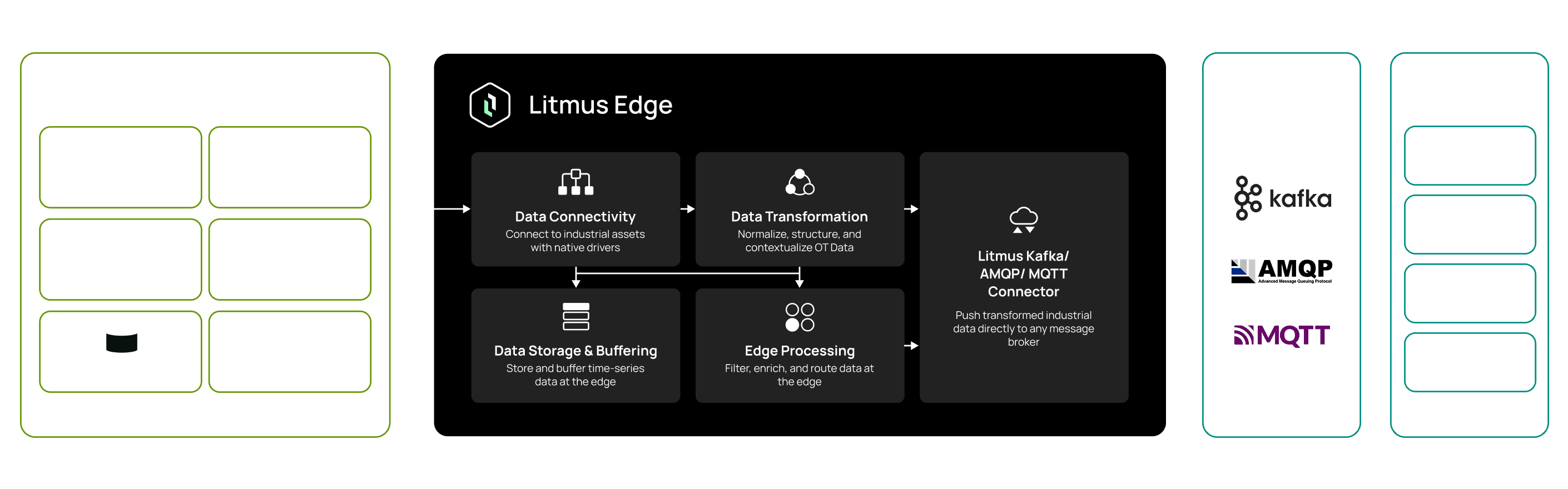
MEssage Brokers Diagram

What you get with Litmus + message brokers

Move contextualized OT data from the edge into Kafka, AMQP, and MQTT architectures for scalable industrial data distribution.

Connect industrial assets for broker-based data flows

Connect plant-floor systems and prepare operational data for event-driven industrial architectures.
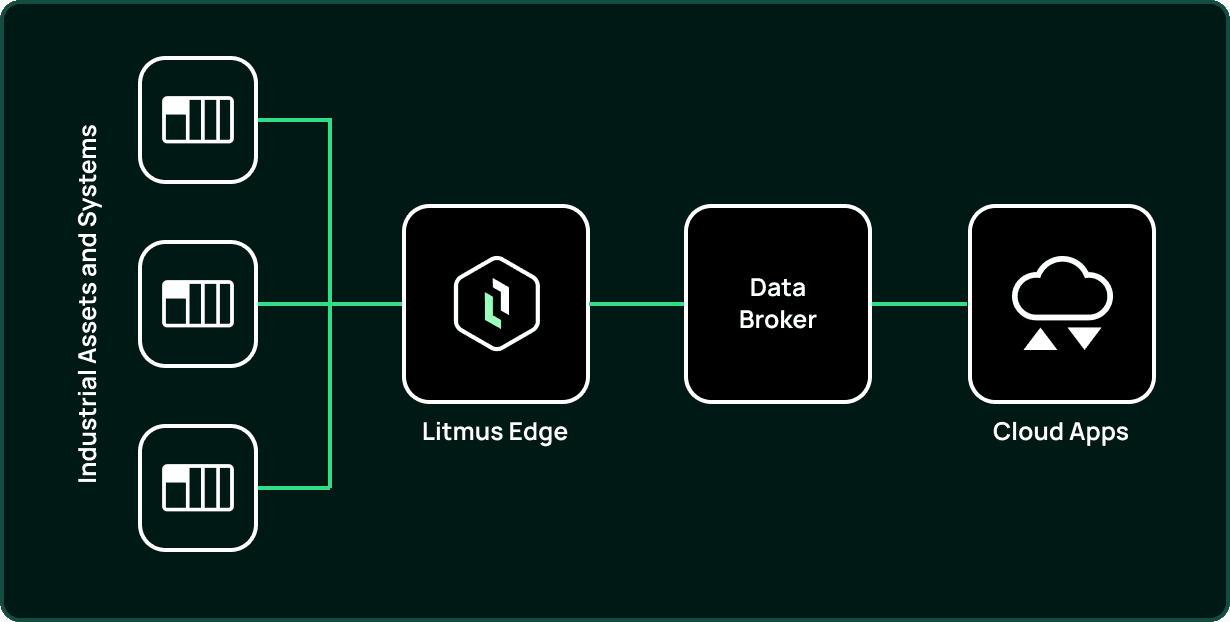
  • Connect PLCs, SCADA, historians, sensors, CNCs, and industrial systems
  • Use 250+ native drivers to reduce custom connectivity work
  • Discover and organize devices, tags, and operational metadata
Image 1

Kafka integration for high-throughput industrial streaming

Publish industrial data from Litmus Edge into Kafka-based architectures for real-time analytics, AI, and enterprise workflows.
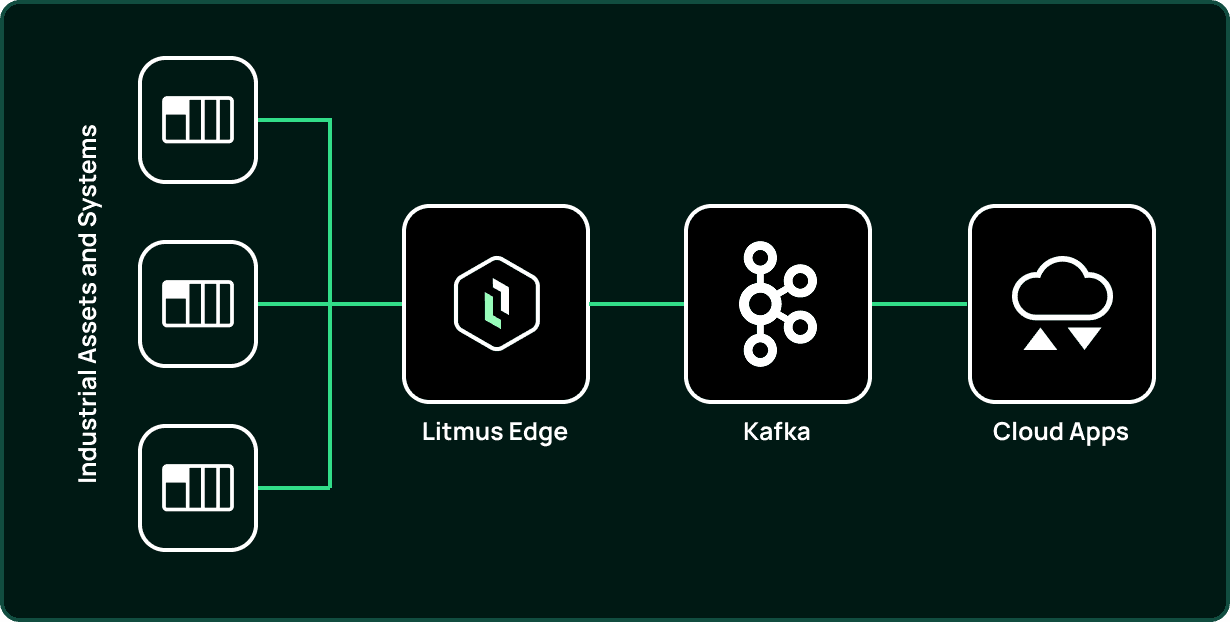
  • Publish machine data, events, and contextualized tag streams into Kafka topics
  • Support scalable, high-throughput industrial data movement
  • Connect Litmus Edge data with cloud, analytics, and enterprise platforms
Image 2

AMQP integration for reliable enterprise messaging

Support secure, queue-based industrial messaging between edge systems and enterprise applications.
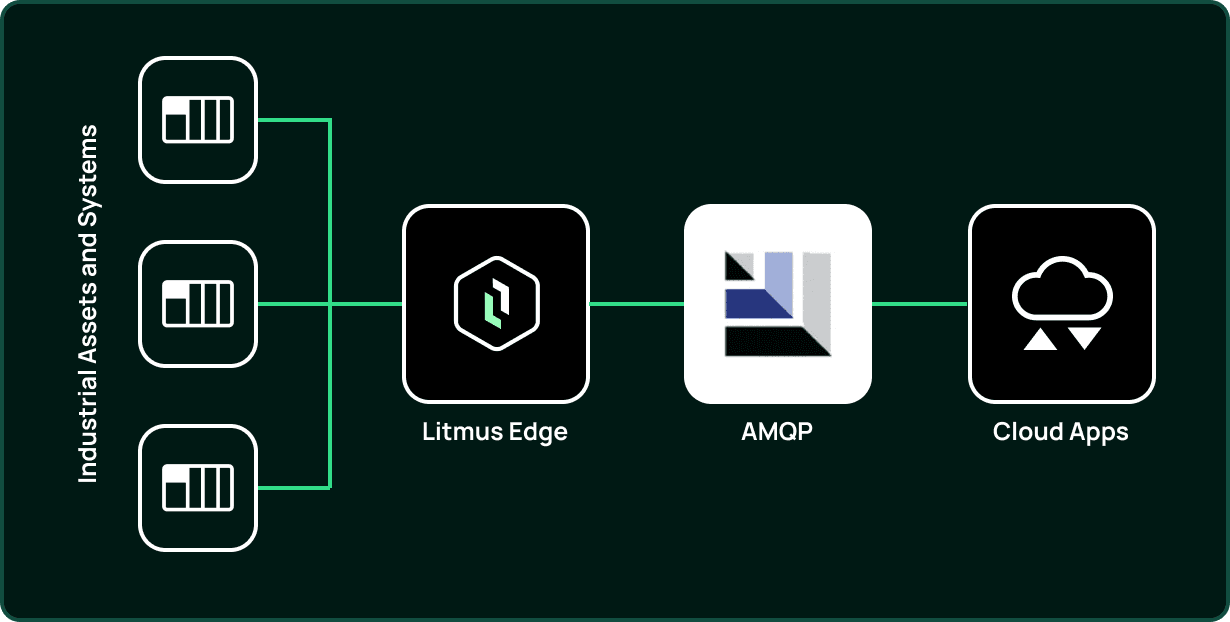
  • Send and receive data through AMQP messaging patterns
  • Support reliable broker-based communication between OT and IT systems
  • Enable secure edge-to-enterprise data movement
Image 3

MQTT integration for lightweight edge messaging

Publish and subscribe to industrial data across distributed edge and cloud-connected environments.
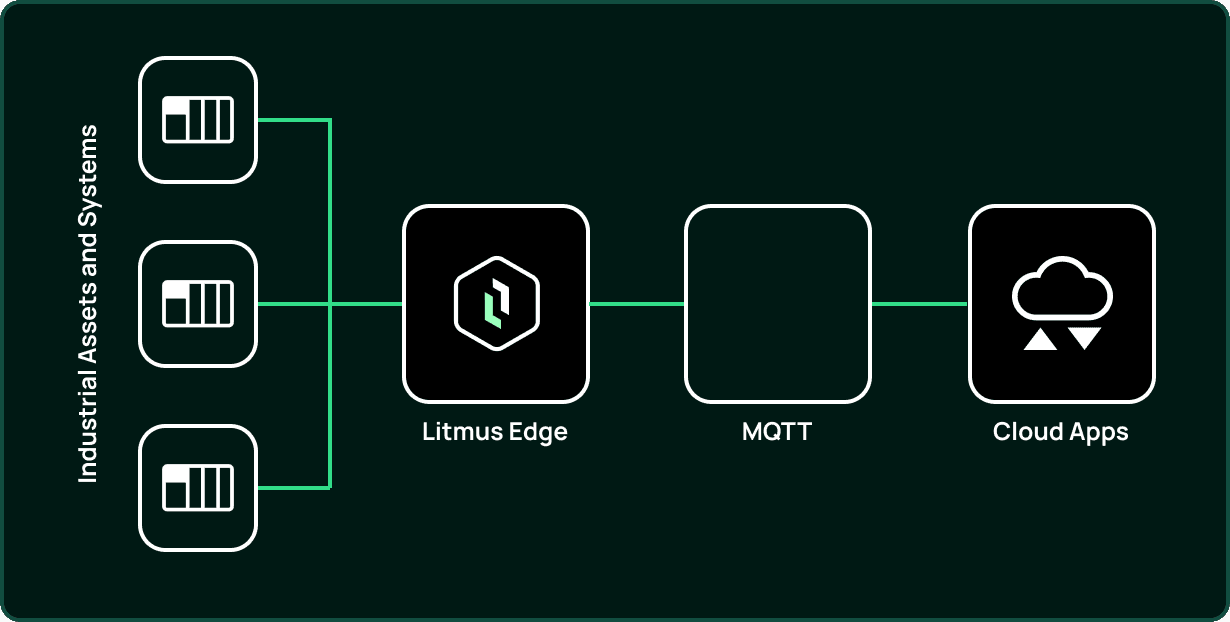
  • Send and receive industrial data through MQTT brokers and clients
  • Support lightweight publish / subscribe architectures
  • Enable efficient communication across distributed assets and systems
Image 4

Edge processing before data publishing

Reduce unnecessary data movement and publish only what downstream systems need.
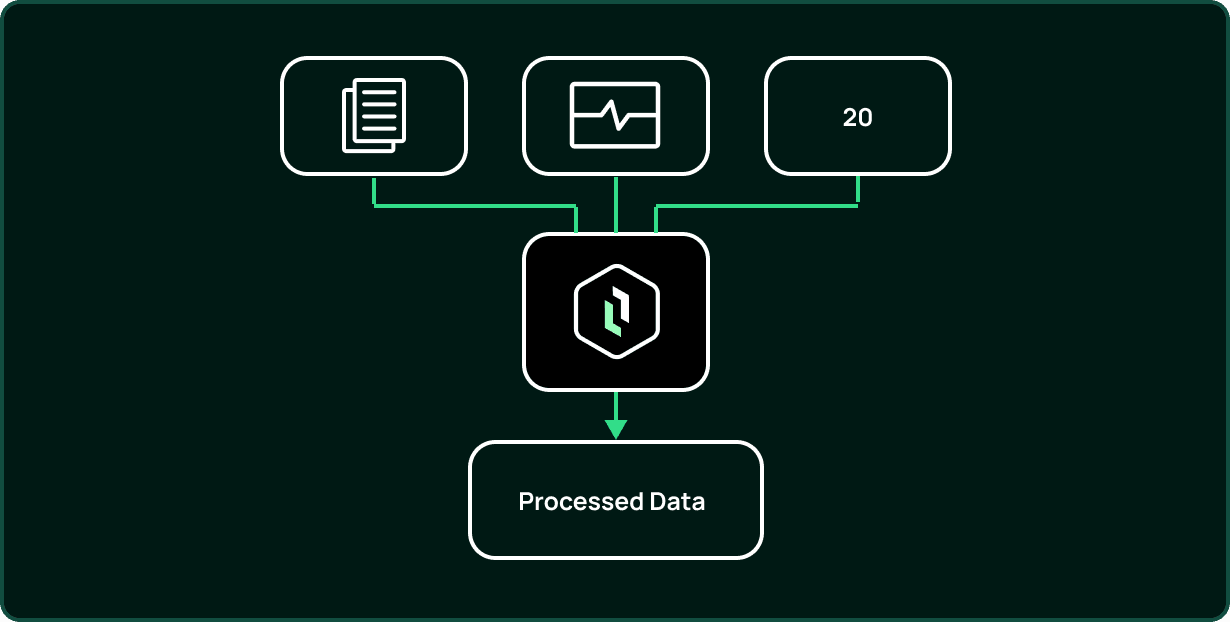
  • Filter noisy or unnecessary tag streams before publishing
  • Run KPIs, alerts, thresholds, and event logic locally
  • Publish relevant data, events, or summaries into Kafka, AMQP, or MQTT
Image 5

Secure and governed broker integration

Protect OT systems while making operational data available to the right teams and applications.
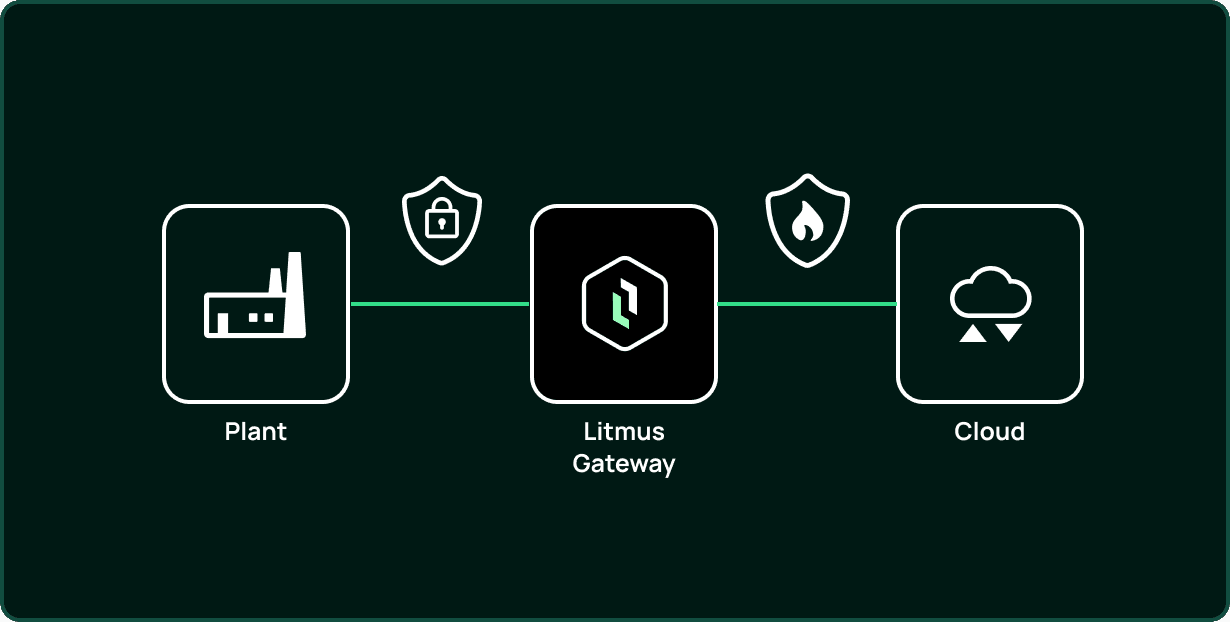
  • Apply role-based access controls across users and systems
  • Govern how data is published, routed, and consumed
  • Support encrypted, auditable industrial data movement across edge, IT, and cloud
Image 6

Manufacturing use cases

Icon 1

Real-time industrial data streaming

Publish machine data, alarms, KPIs, and events into enterprise and cloud environments for downstream consumption.

Icon 2

Unified Namespace (UNS)

Support scalable UNS architectures where applications and systems consume trusted operational data in real time.

Icon 3

OT-to-IT Integration

Move structured plant-floor data into MES, ERP, CMMS, QMS, analytics platforms, and cloud services

Icon 4

Edge-to-cloud data movement

Use brokers to move industrial data between Litmus Edge,  cloud platforms, and enterprise systems.

Icon 5

Predictive maintenance

Trigger workflows based on machine states, alarms, thresholds, quality events, and operational conditions.

Icon 6

Multi-site data standardization

Standardize data publishing across sites to support reusable analytics and Industrial AI initiatives.

CTA gradient main section