








Industrial transformation efforts stall when operational data remains fragmented across PLCs, SCADA systems, historians, robotics, sensors, and line applications.
Before data can power analytics or AI, it must be connected, structured, and governed close to the process.
Litmus Edge unifies connectivity, data operations, analytics, and applications in one edge-native platform so industrial data can move from signal to action.
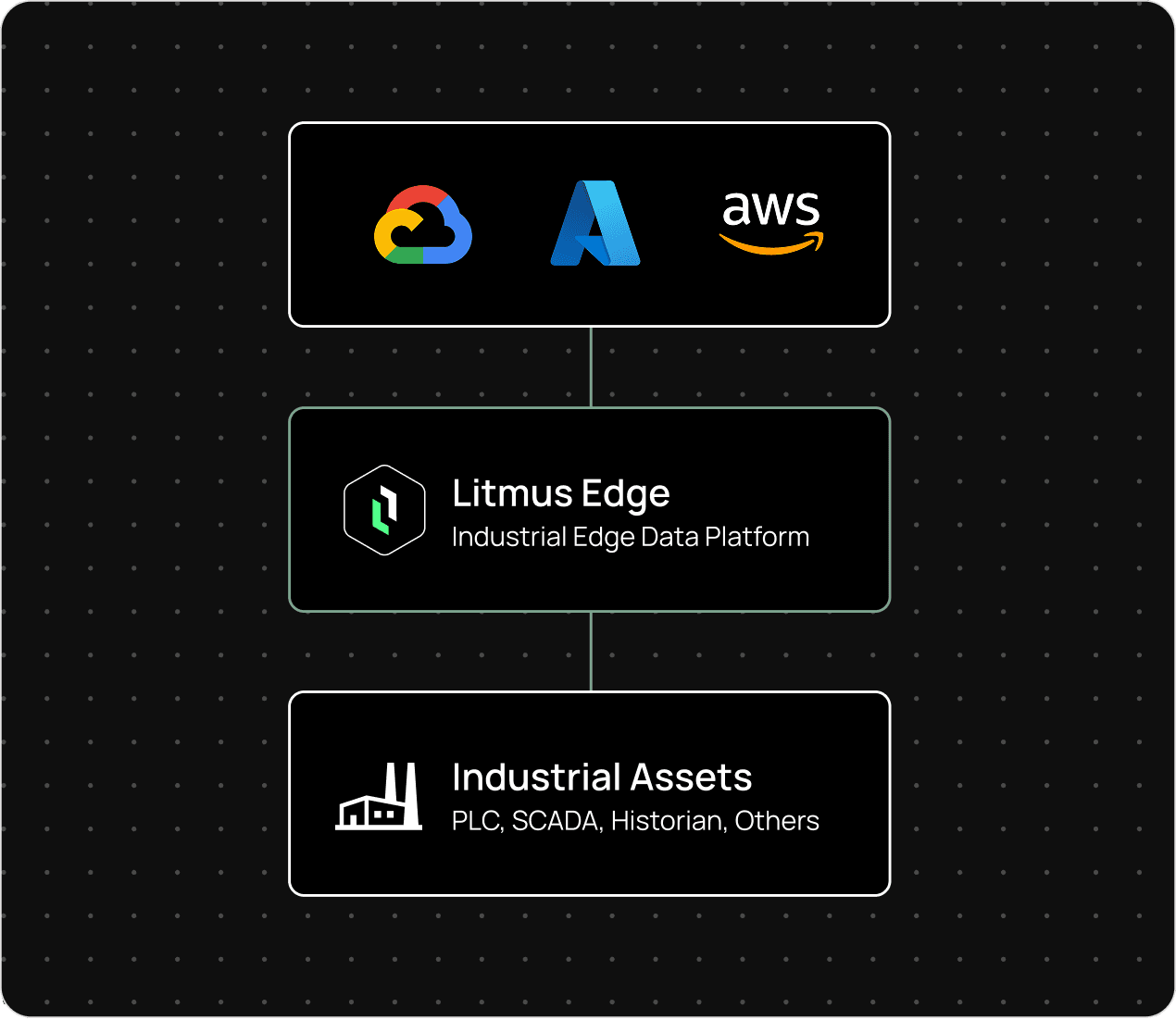
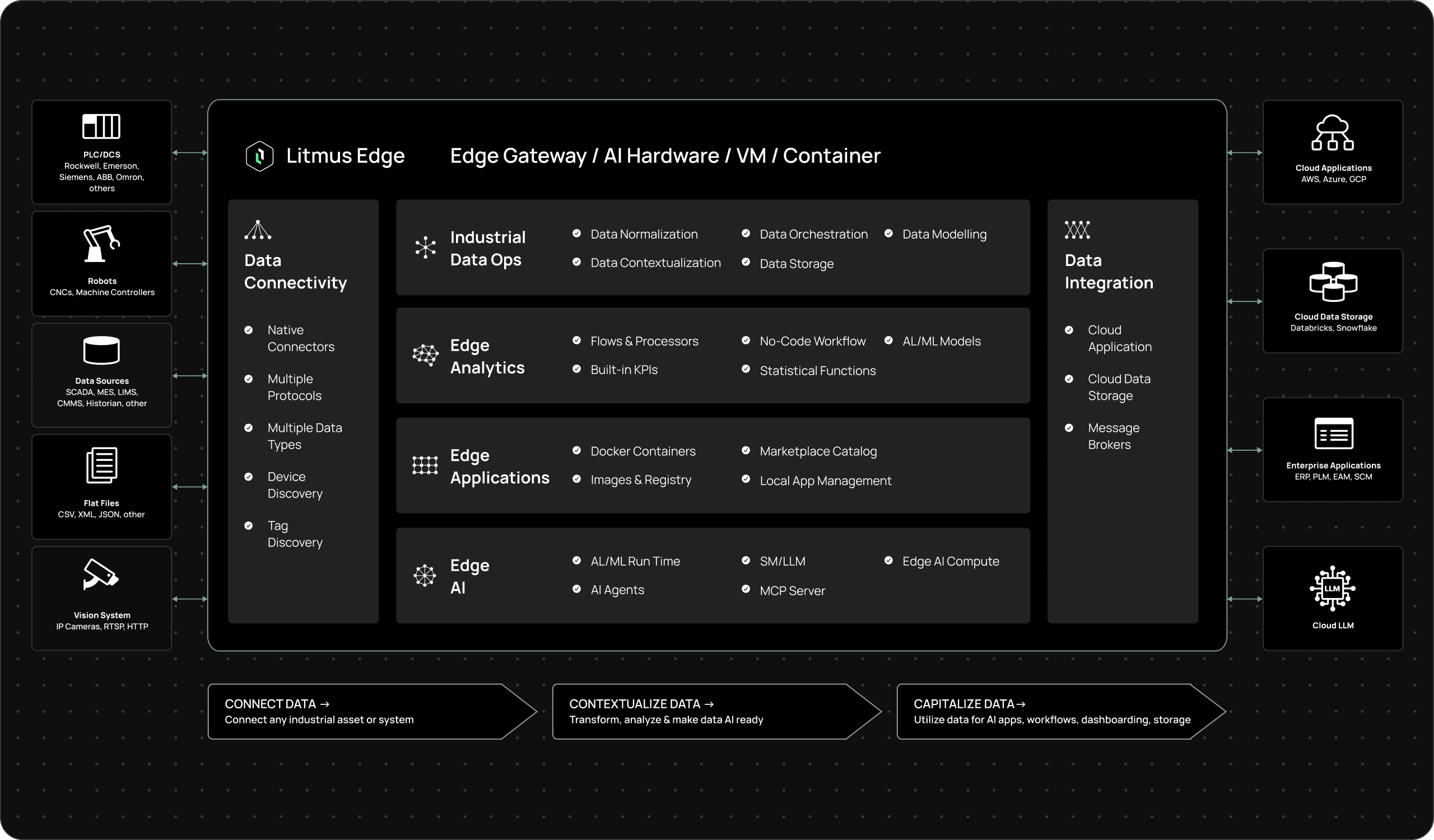
Litmus Edge sits at the operational boundary between machines and enterprise systems. It connects industrial assets, structures operational data at the edge, executes analytics and applications locally, and publishes trusted data into enterprise and AI systems.
Litmus Edge is designed to standardize industrial data architecture across plants, making analytics, automation, and AI deployments repeatable across sites.
standardized industrial data architecture

optimized packing and volume tracking

Real-time equipment monitoring across sites
Real-time monitoring and corrective action

Core capabilities for connecting, structuring, and operationalizing industrial data at the edge.
DATA CONNECTIVITY
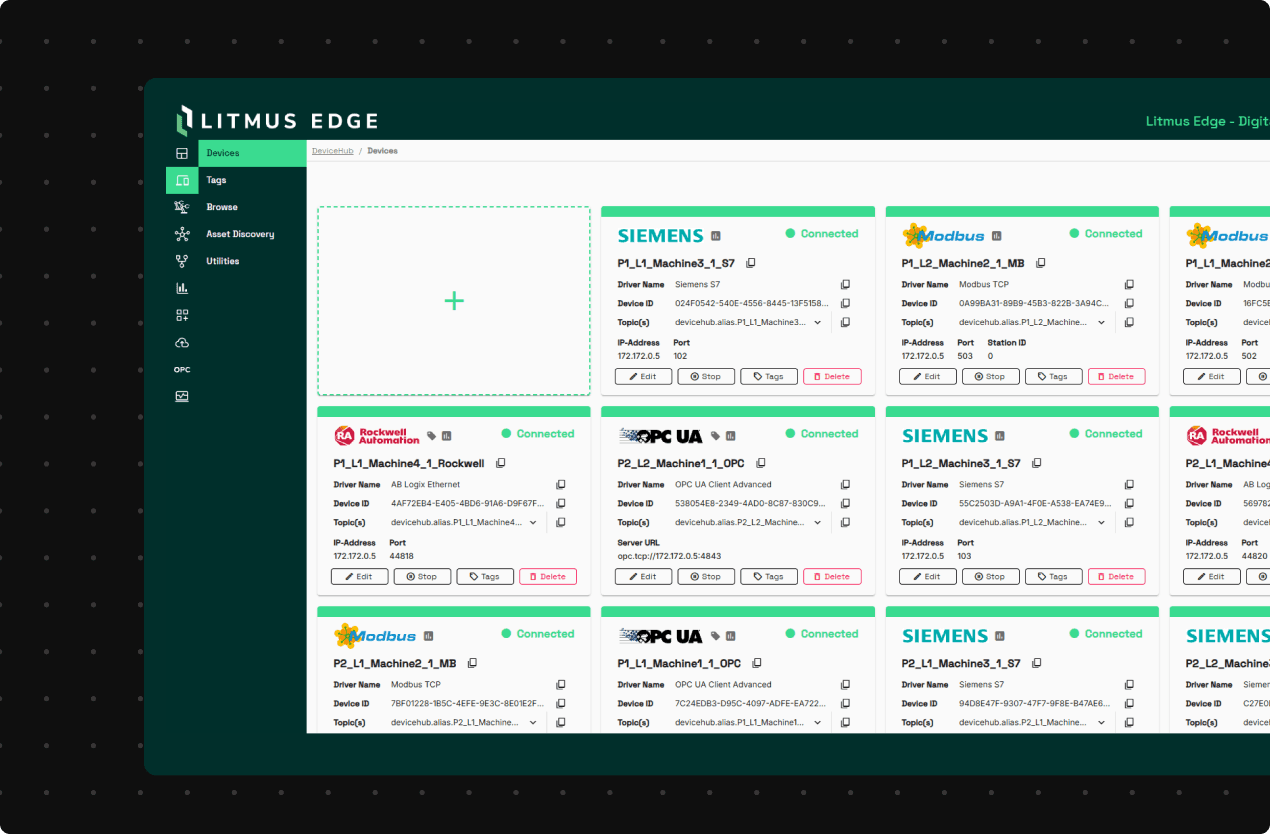
Litmus Edge accelerates industrial connectivity across legacy and modern systems through native connectors, broad protocol support, and automated discovery workflows. Telemetry, events, and structured payloads are captured at the source and organized into a consistent signal and tag foundation.
Key features:
INDUSTRIAL DATAOPS
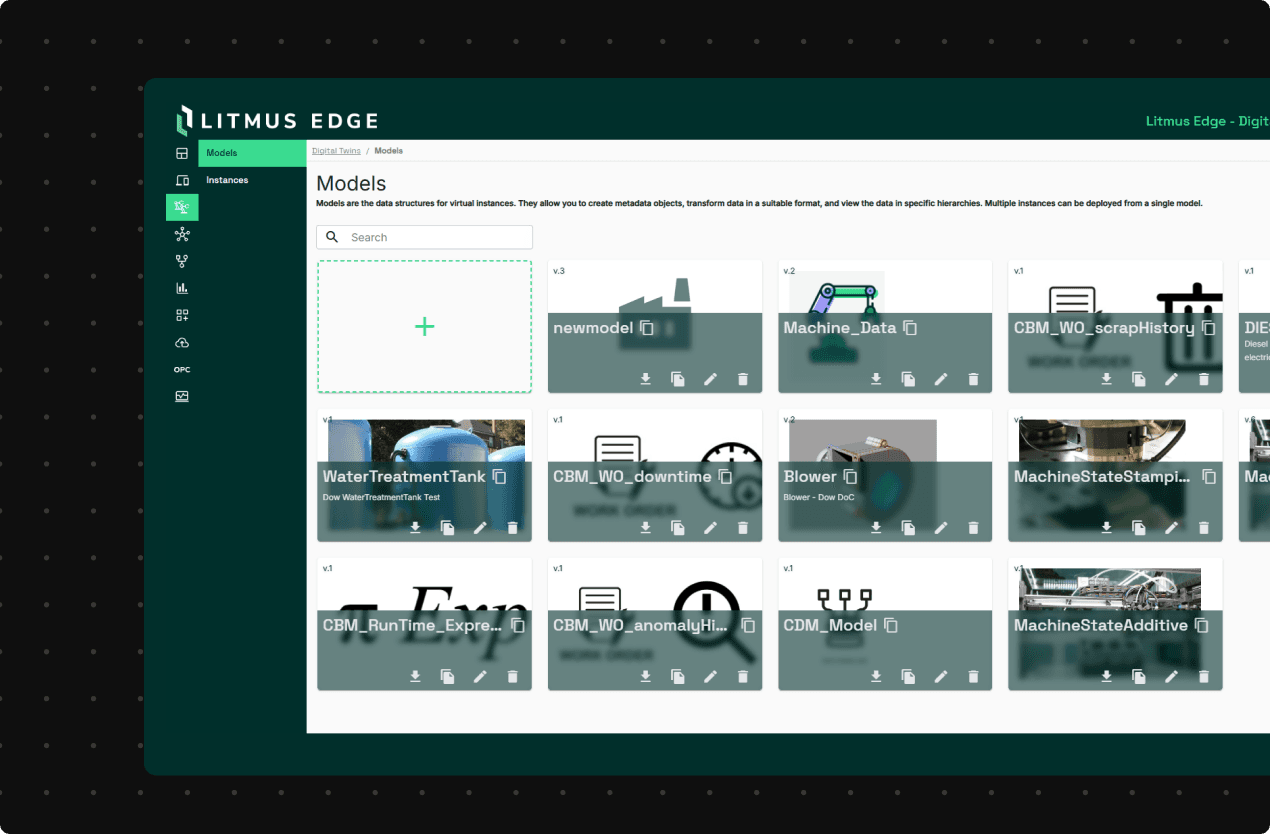
Operational data becomes valuable when structure and context are built into the pipeline. Litmus Edge normalizes values, applies operational context, stores time-series data locally, and orchestrates transformation workflows so downstream systems consume reliable, analytics-ready data.
Key features:
Edge Applications
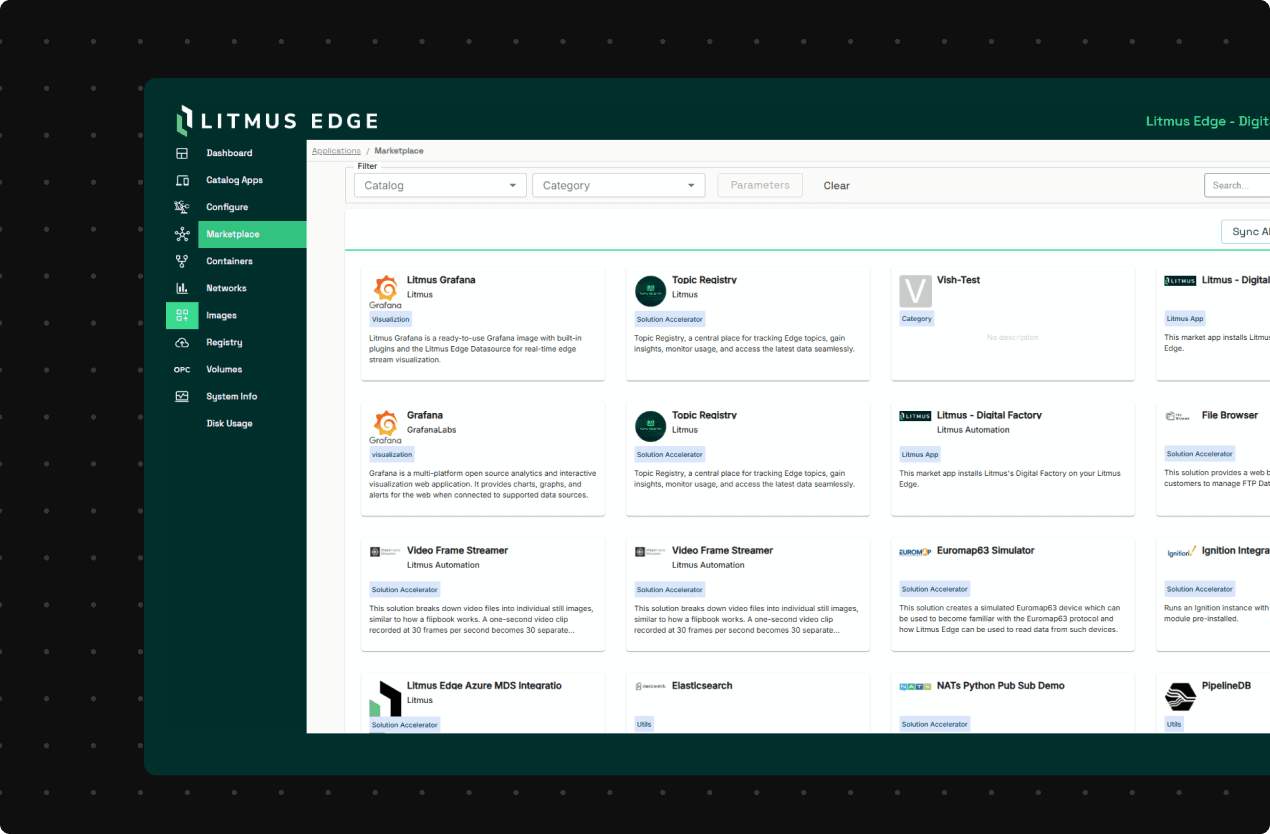
Operational workloads do not need to wait on the cloud. Litmus Edge supports containerized applications that run directly at the edge so services, custom tools, and operational workloads execute where performance and resiliency matter most.
Key features:
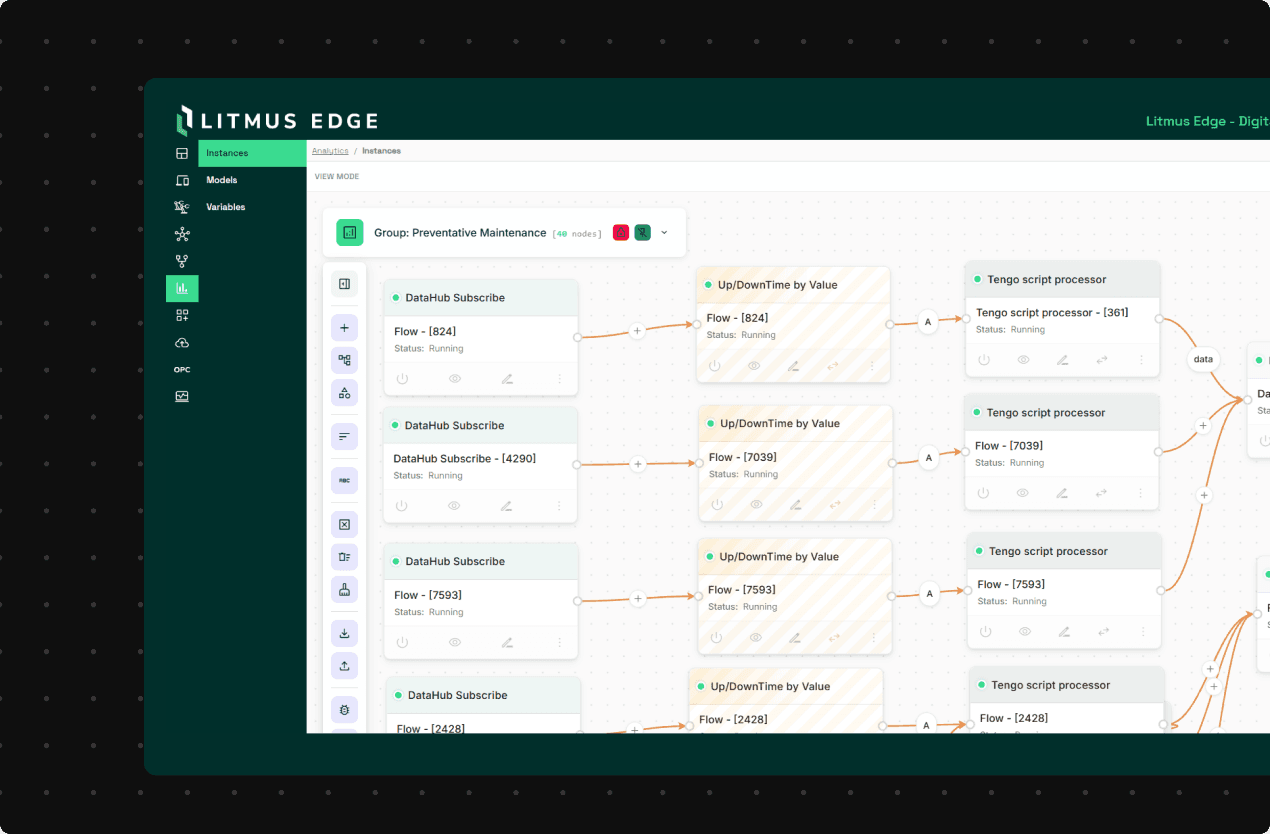
Edge Analytics
Litmus Edge enables operational analytics at machine speed through configurable flows and no-code workflow design. Teams can move from raw signals to KPIs, alerts, statistical analysis, and model-based insights without stitching together multiple tools.
Key features:
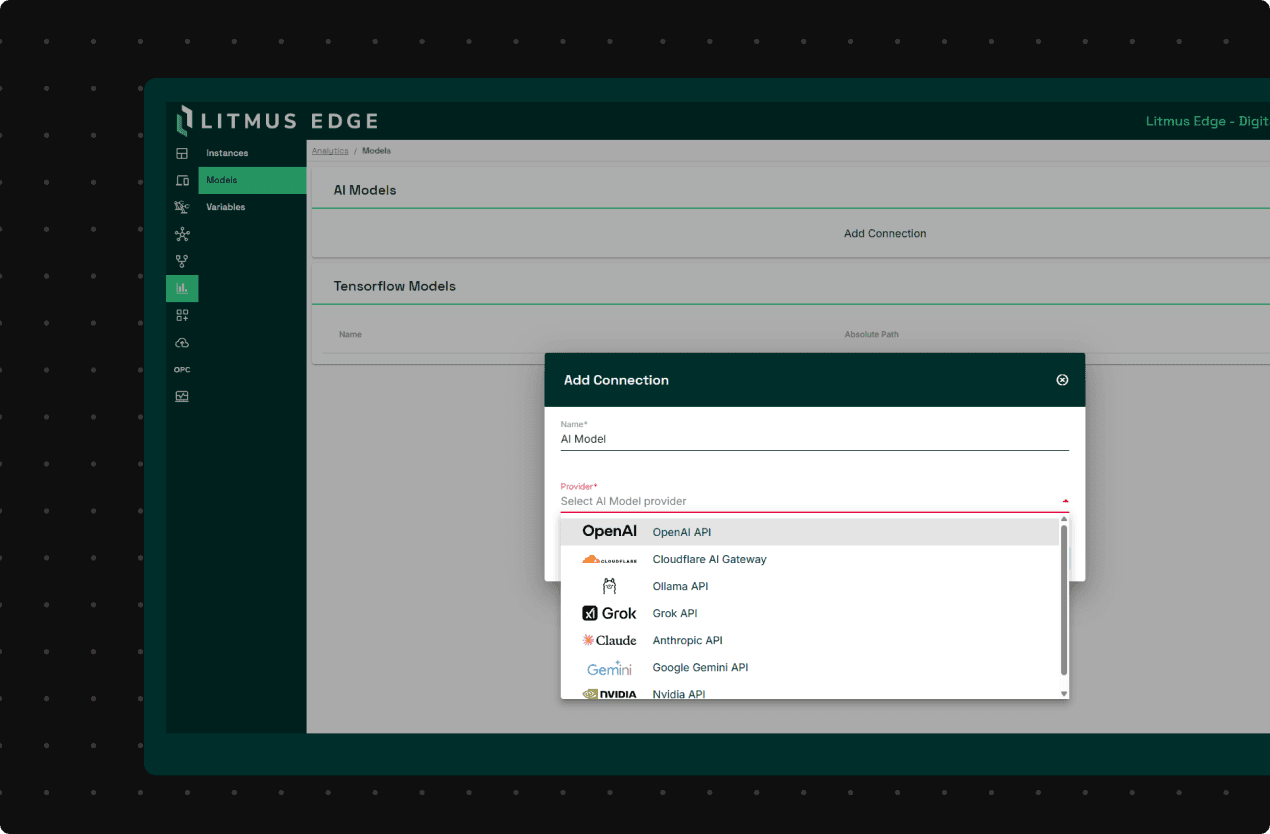
Edge AI
Industrial AI depends on data quality, execution speed, and operational context. Litmus Edge enables local AI execution so models and intelligent workflows operate closer to machines and operators.
Key features:
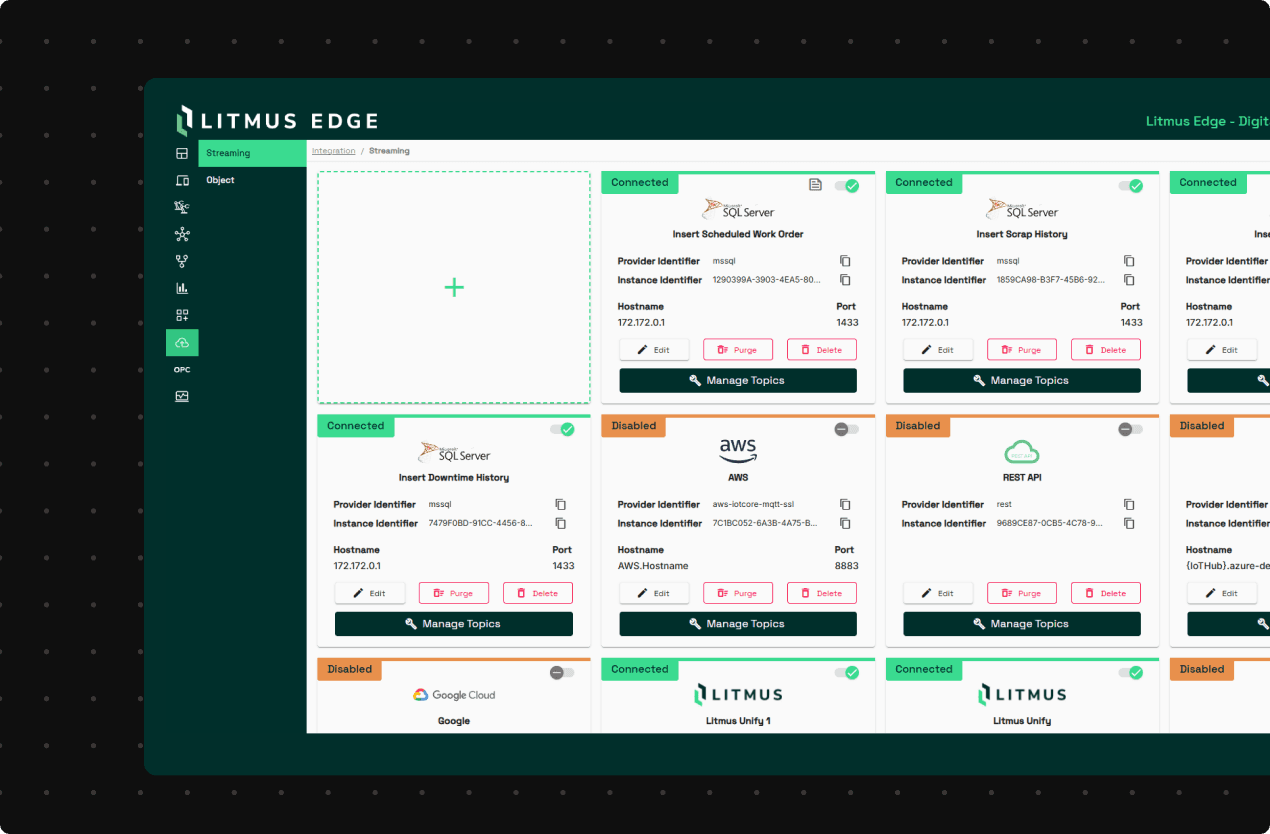
Data Integration
Trusted edge data becomes more valuable when it flows into the broader business. Litmus Edge publishes structured operational data to cloud platforms, enterprise applications, databases, and message brokers.
Key features:
Accelerate onboarding across heterogeneous OT environments

Standardize machine data before it leaves the plant

Reduce latency for analytics, alerts, and AI-driven decisions

Improve consistency across sites with reusable models and workflows

Industrial teams use Litmus to standardize data architecture across plants and scale analytics and AI in production environments.
Case Study
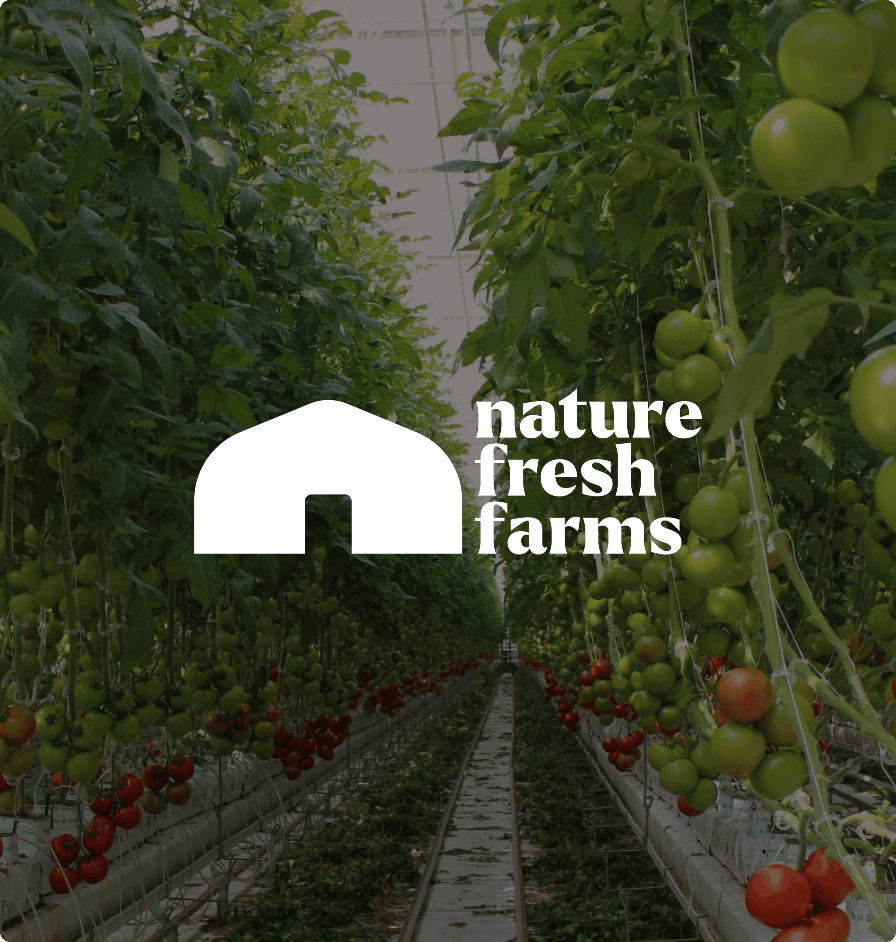
Nature Fresh Farms deployed Litmus Edge on Dell NativeEdge to connect greenhouse equipment, capture operational data, and run AI at the edge across facilities. Data is processed locally to enable real-time monitoring, alerts, and AI-driven optimization across packing, energy, and environmental systems.
Impact:
Quick answers to your industrial data questions.