









Industrielle Umgebungen können nicht bei jeder Entscheidung auf zentralisierte Systeme angewiesen sein. Latenzen, Bandbreitenbeschränkungen und unbeständige Verbindungen führen zu Verzögerungen und Risiken, wenn Daten den Prozess verlassen müssen, bevor eine Maßnahme erfolgen kann.
Ohne lokale Ausführung hinken Analytics den Prozessen hinterher, KI kann nicht in Echtzeit reagieren und es entsteht eine Abhängigkeit von externer Infrastruktur. Edge Intelligence bringt Rechenleistung, Analytics und KI näher an die Maschinen, sodass Daten dort verarbeitet, analysiert und in Maßnahmen umgesetzt werden können, wo sie entstehen.
Edge Intelligence setzt strukturierte Daten in Aktionen um. Durch die Ausführung von Anwendungen, Analysen und künstlicher Intelligenz im Edge-Bereich werden schnellere Entscheidungen ermöglicht, die operative Resilienz verbessert und die Abhängigkeit von zentralen Systemen verringert, sodass industrielle Umgebungen in Echtzeit arbeiten können.
Standardisierte industrielle Datenarchitektur

Optimierte Verpackungsprozesse und Volumenverfolgung

Standortübergreifende Echtzeitüberwachung von Anlagen
Echtzeitüberwachung und Korrekturmaßnahmen
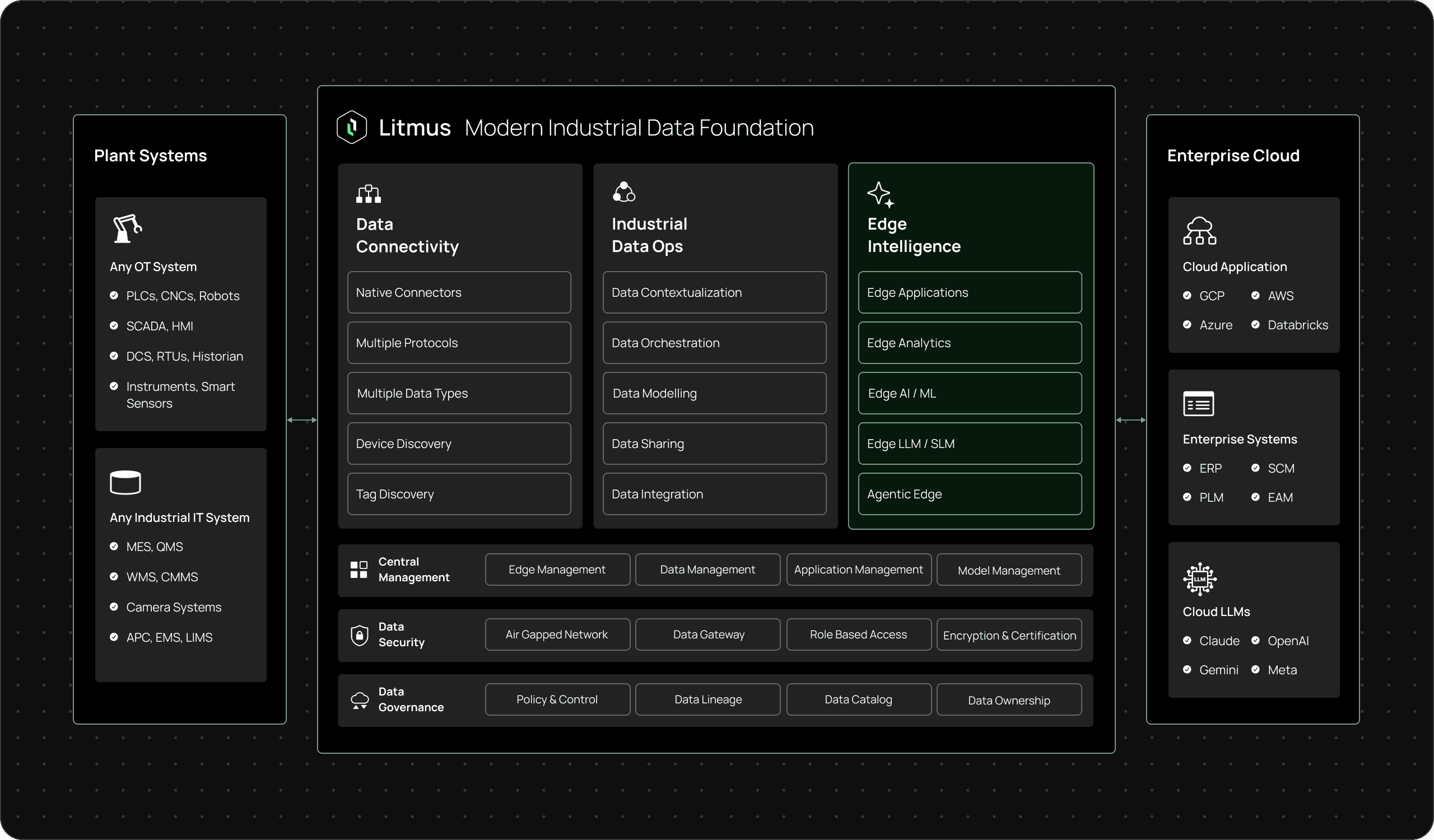
Anwendungen, Analytics und KI am Edge ausführen, damit Industriedaten in industriellen Prozessen unmittelbar wirksam werden.
Edge-Anwendungen
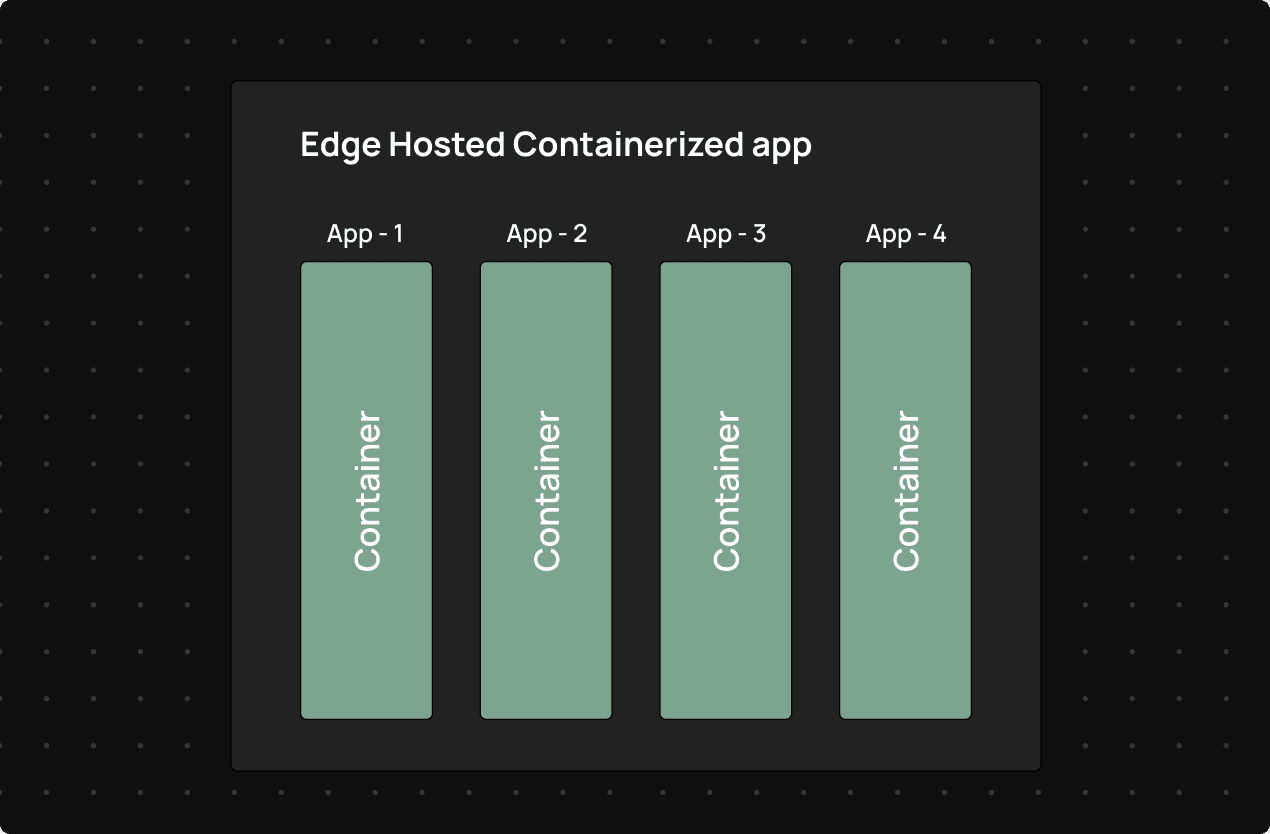
Anwendungen schaffen den größten Mehrwert nah an Maschinen und Anwendern. Edge-Anwendungen verarbeiten, speichern, analysieren und visualisieren Daten lokal, unabhängig von zentralisierten Systemen.
Das wird dadurch möglich:
Edge Analytics
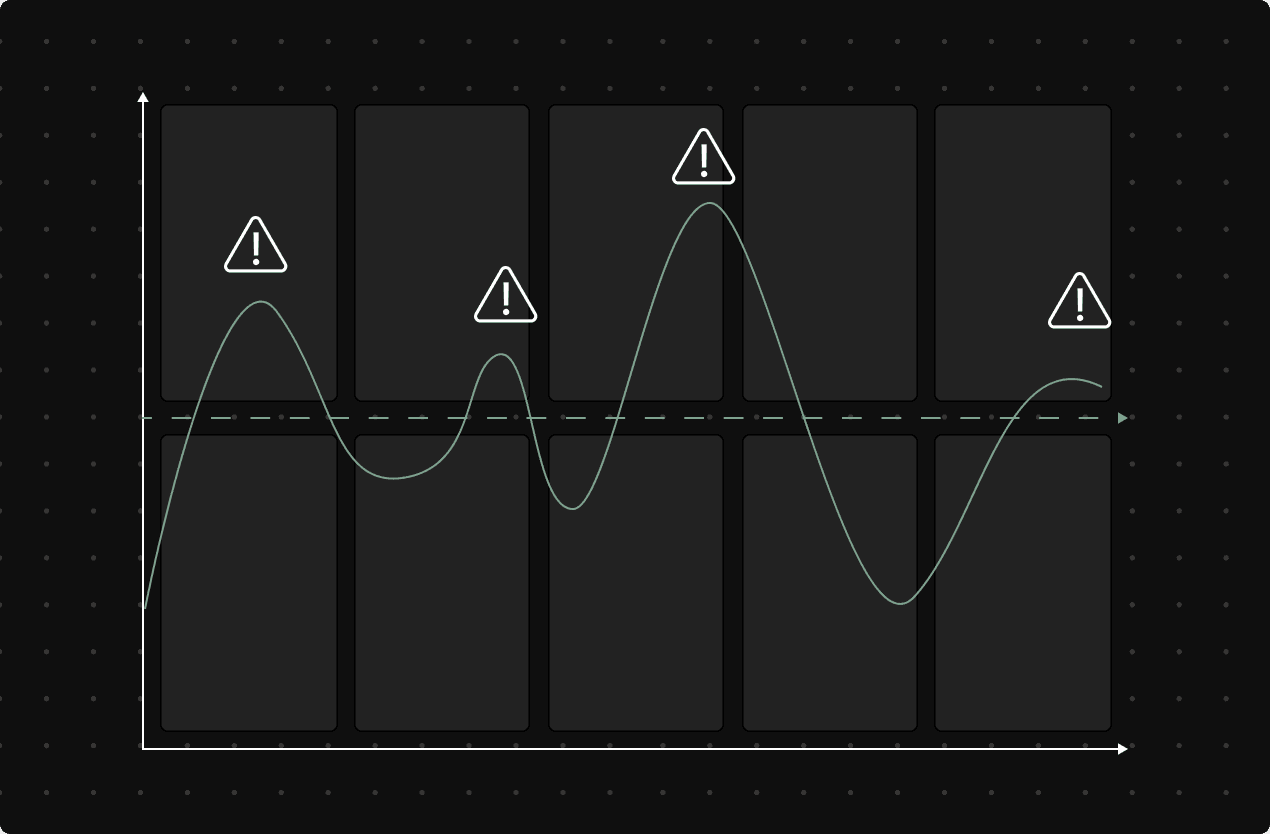
Edge Analytics ermöglicht die Ausführung von KPIs, Anomalieerkennung und zustandsbasierten Aktionen in Echtzeit, ohne jedes Signal an die Cloud zu übertragen.
Das wird dadurch möglich:
Edge AI / ML
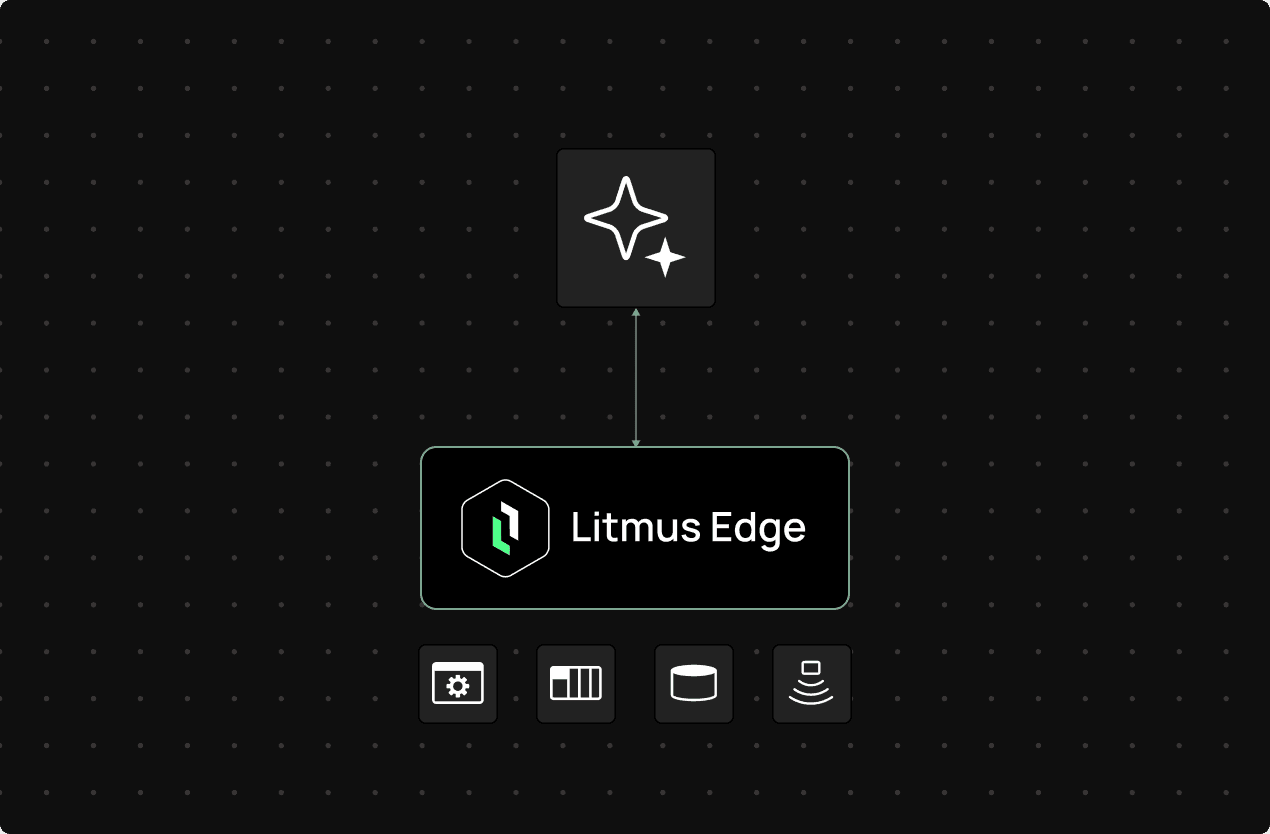
KI-Modelle schaffen größeren Nutzen, wenn sie dort ausgeführt werden, wo Entscheidungen getroffen werden. Edge AI ermöglicht lokale KI-Auswertungen zur Anomalieerkennung, Prognose, Optimierung und Klassifizierung.
Das wird dadurch möglich:
Edge LLM / SLM
Sprachmodelle erleichtern die Interpretation industrieller Systeme, indem sie Ereignisse zusammenfassen, Zustände erklären und Workflows in natürlicher Sprache ermöglichen.
Das wird dadurch möglich:
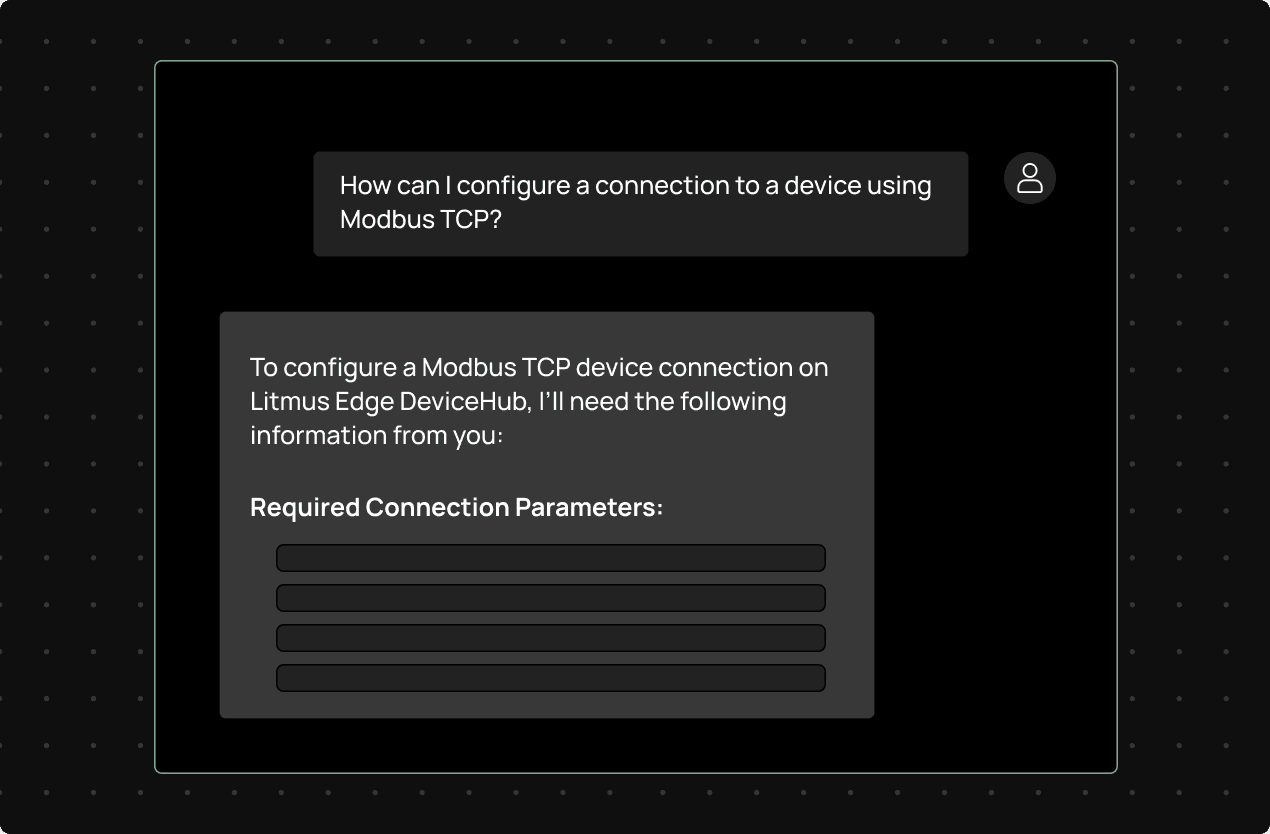
Agentic Edge
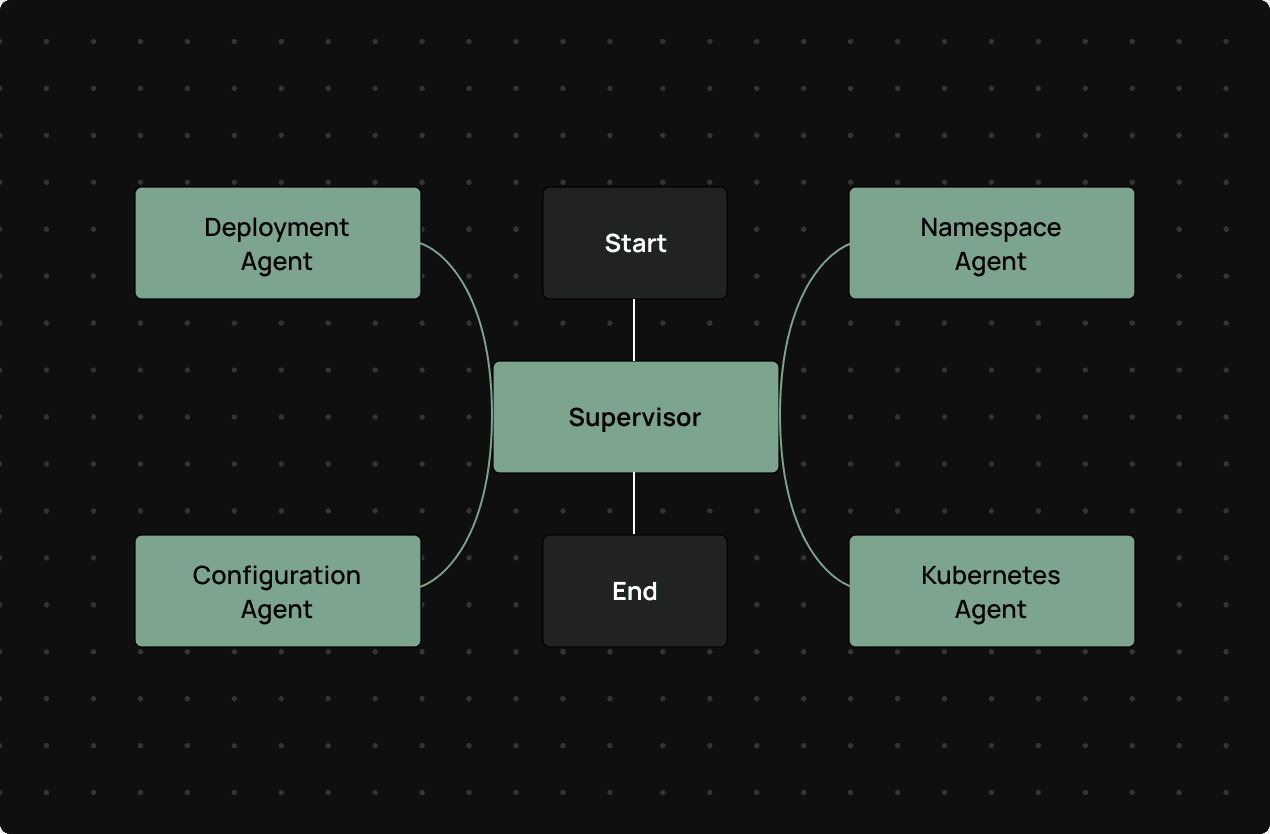
Agentic Edge führt kontrollierte Autonomie ein: Software-Agenten können Zustände beobachten, Daten interpretieren, Maßnahmen empfehlen und Workflows innerhalb klar definierter Grenzen ausführen.
Das wird dadurch möglich:
Schneller von der Analyse zur Umsetzung

Geringere Latenzzeit zwischen Erkenntnis und Handlung

Höhere Ausfallsicherheit in Offline- oder eingeschränkten Umgebungen

Analytics in Echtzeit und KI-gestützte Optimierung

Einfacherer Zugang zu Analyseergebnissen durch Workflows in natürlicher Sprache

Eine skalierbare Ausführungsebene für industrielle KI

Schnelle Antworten auf Ihre Fragen zu Industriedaten